Recently I found myself with three unused and slowly decaying lead acid starter batteries. Between these batteries and my fascination with “van-lifers” using solar and large battery banks, I wanted to do another baby project along those lines.
Prior Projects
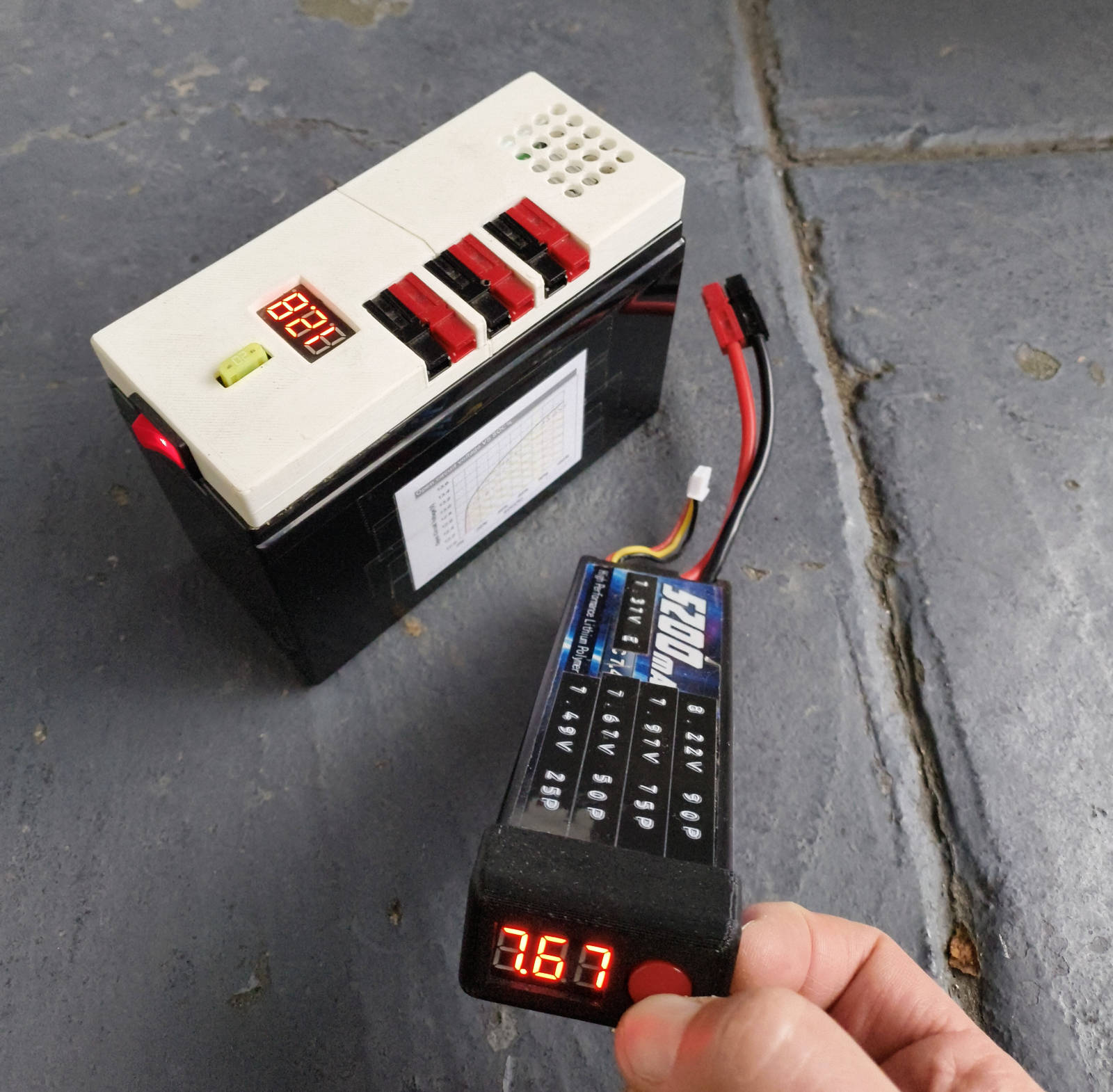
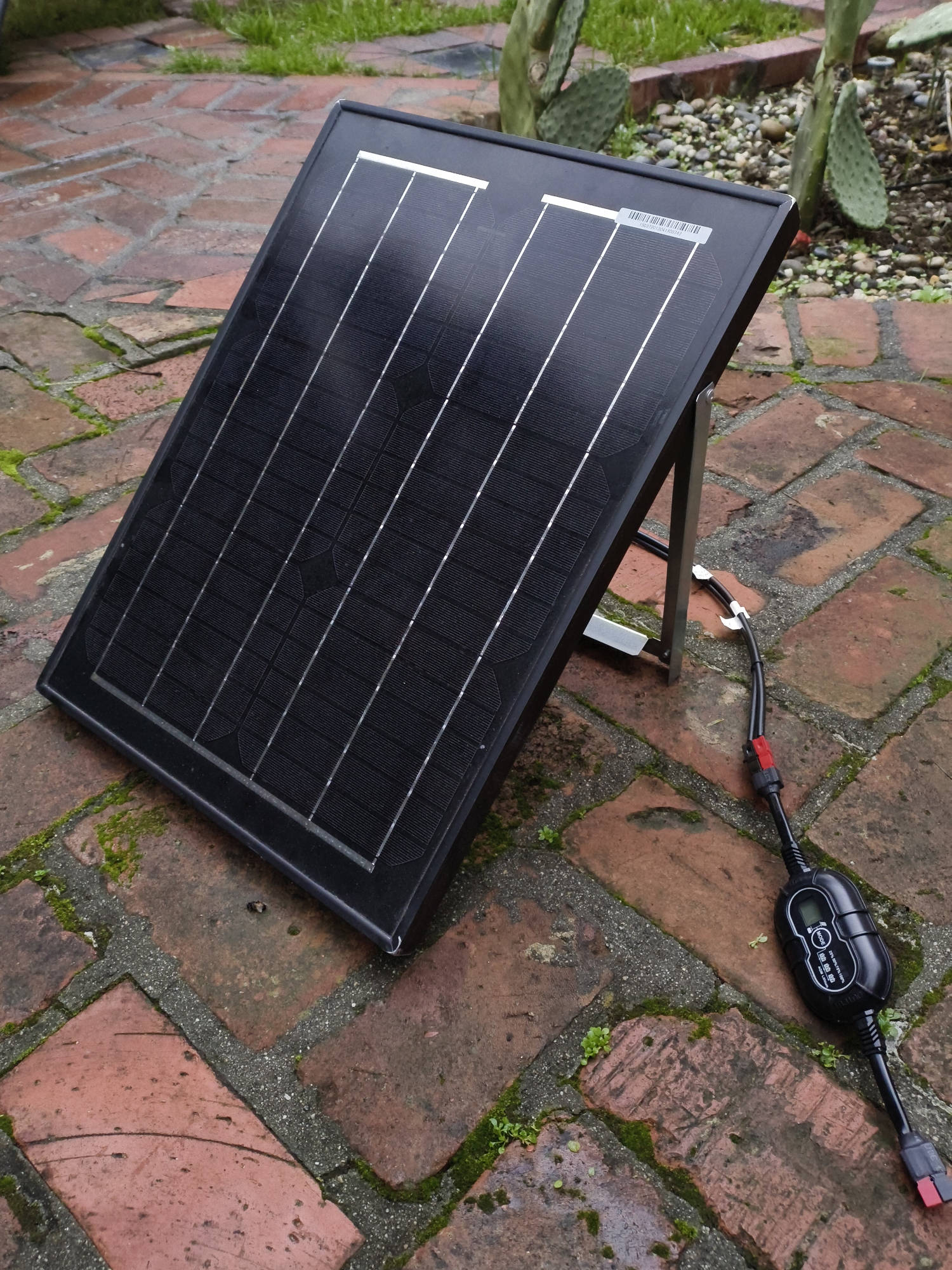
I previously made my own batteries for camping and mobile use - smaller, lighter and cheaper than commercial “solar generators”. I still use my LiPo 2S unit and a BMS equipped LiFePo replacement for Lead Acid 12V uses. I standardized on APP1 connectors and built my own cheap 25W portable solar panel with MPPT charge controller setup.
Building a Lead-Acid Battery Bank
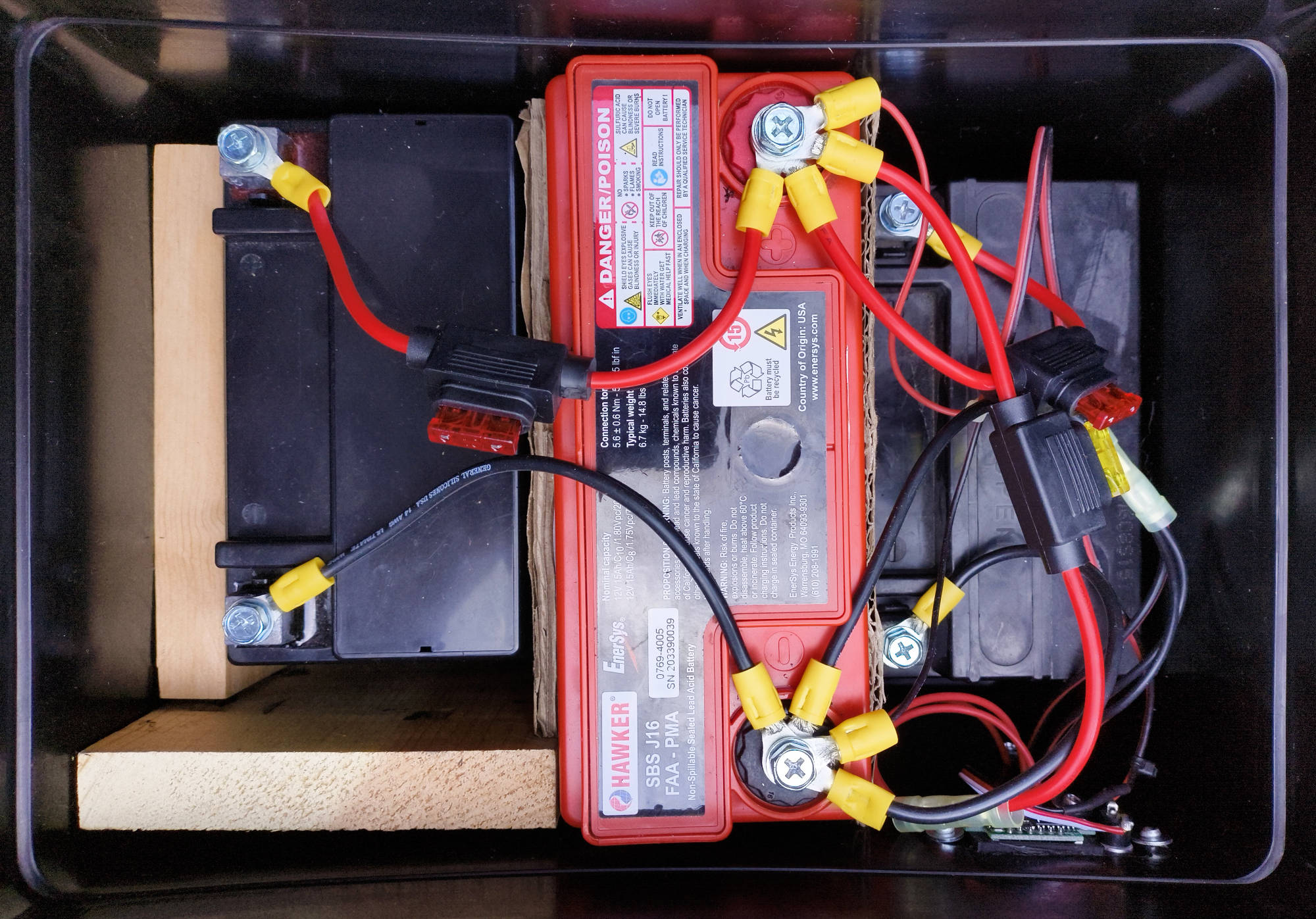
I have one old starter battery battery from my bike, another is a working but aged-out starter battery from my plane, and the last one is a brand-new but oversized starter battery sent to me in error (I ordered a smaller one, but was shipped a wrong one).
While my batteries are starter units and not deep-cycle, they are otherwise unused and will be used only for emergencies, as such they will do fine in their new role. The entire bank has >400Wh of emergency power.
Lead acid batteries have a few desirable properties for emergency power:
- they are cheap (in my case even free)
- they do not thermal runaway
- they need to be stored fully charged for long life
The last one is very important. In contrast, lithium chemistry batteries will deteriorate if stored at above 60% charge2. Keeping Lithium batteries on a trickle charger at 100% for emergency use will prematurely wear them out, but for Lead Acids, that is exactly what one must do to keep them ready and healthy.
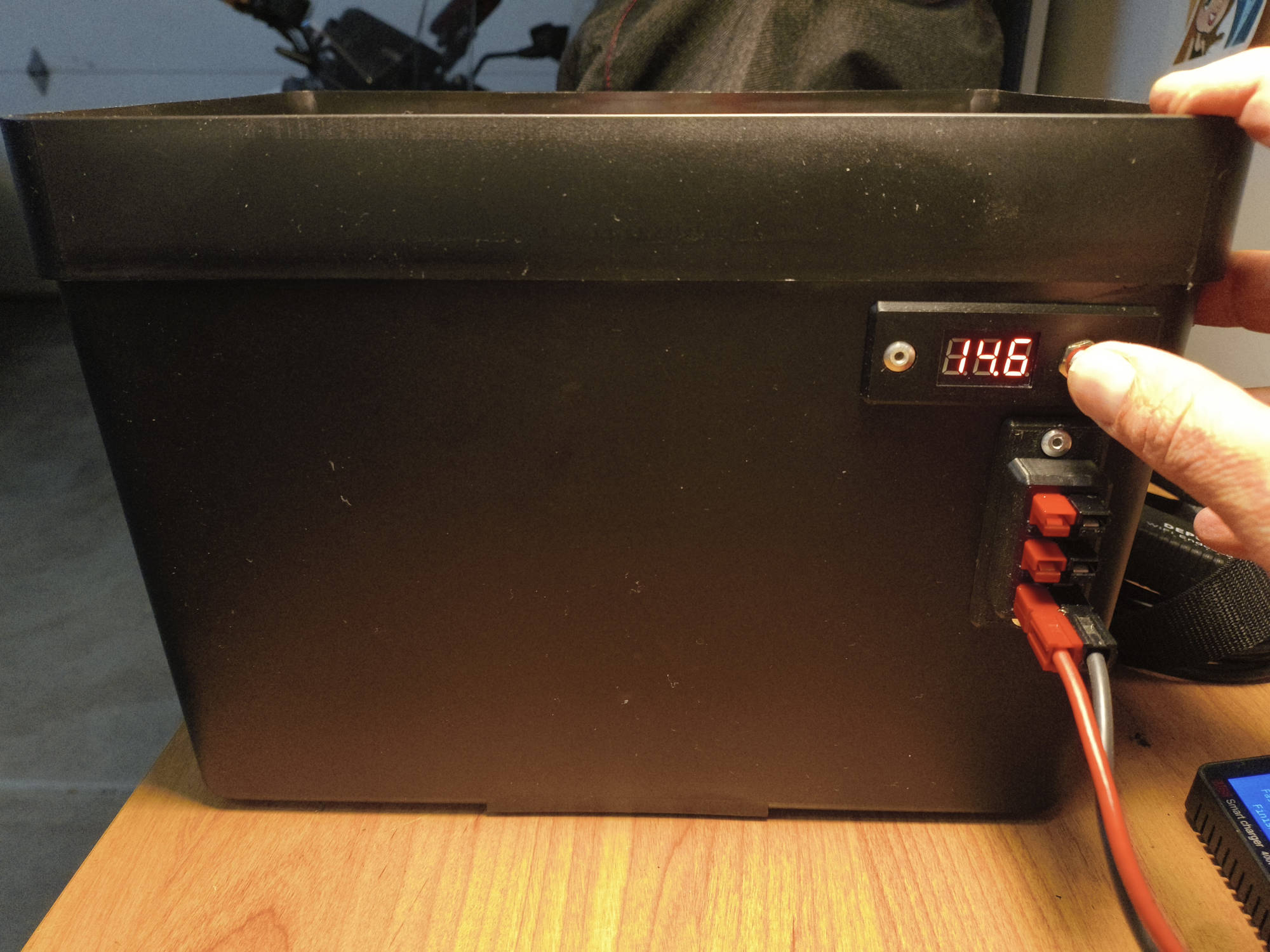
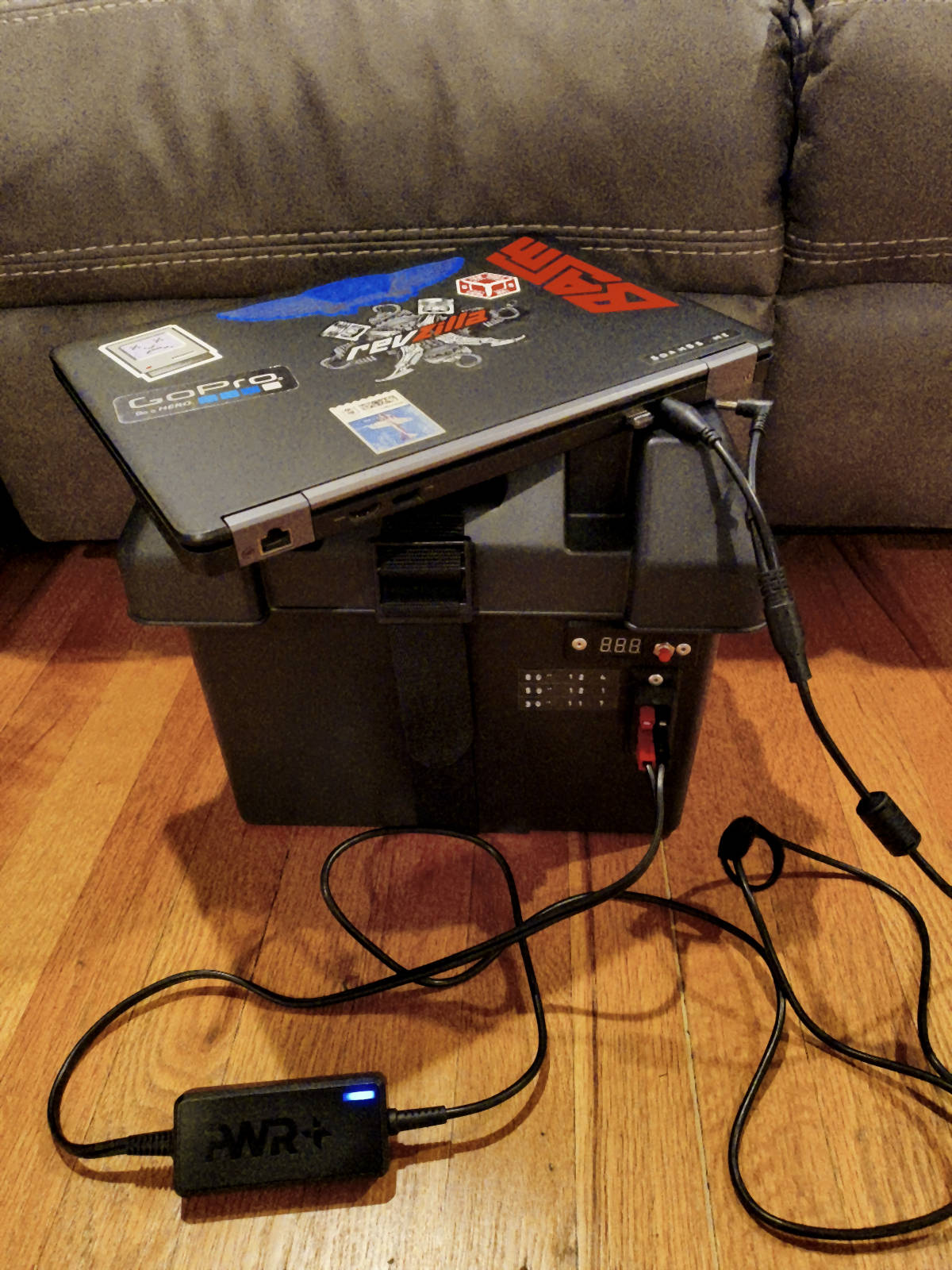
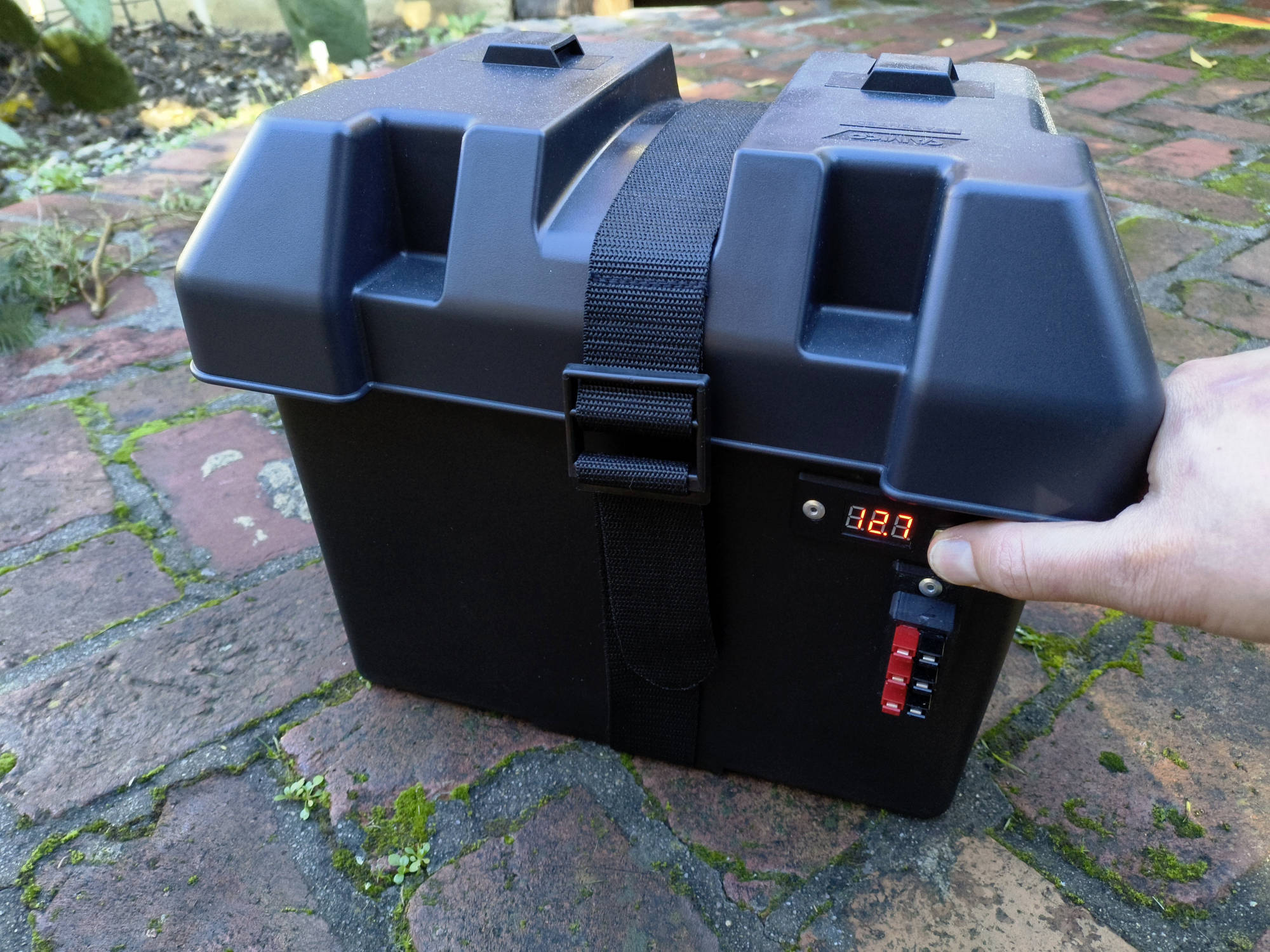
I measured the batteries and bought a marine grade battery box. I added a voltmeter and a small panel with APP1 connectors, to integrate with all my existing DC equipment.
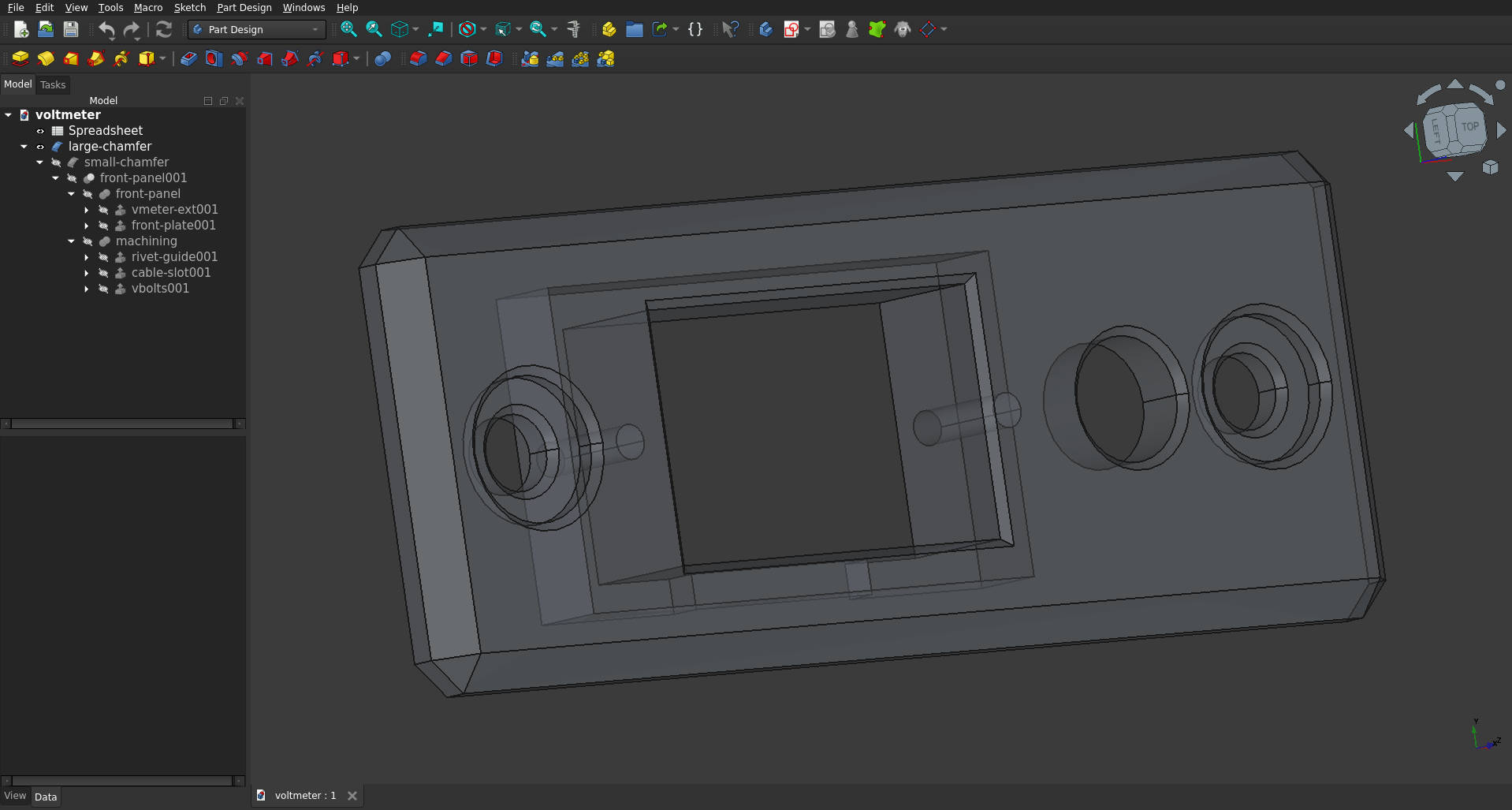
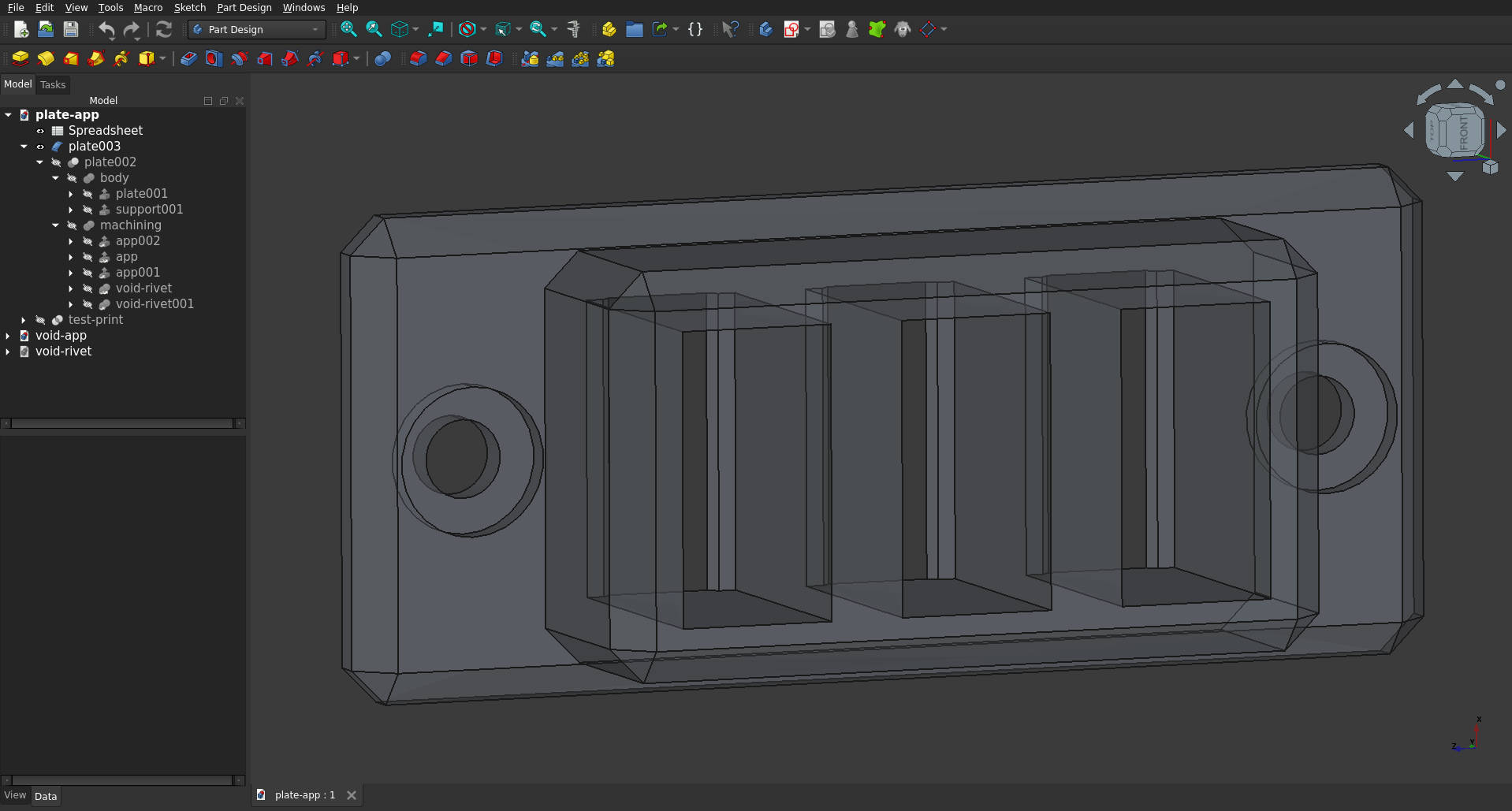
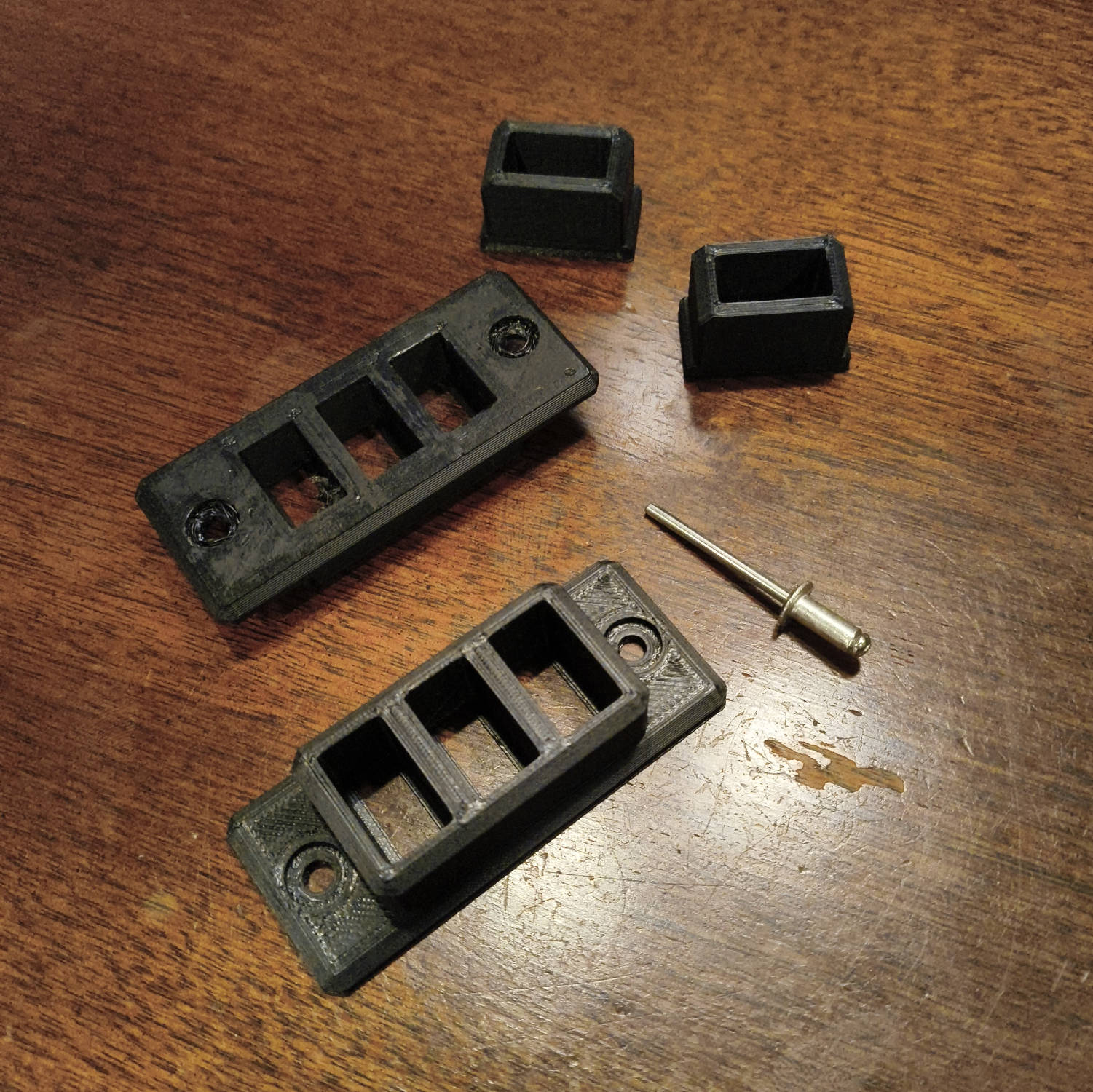
The voltmeter is an off-the-shelf circuit wired with a momentary switch and mounted in a 3d printed panel. Similarly, APP1 plugs are epoxied into another 3d printed panel. Both are through the side of the box and permanently riveted in place.
Internal wiring is very simple. 12GA “bus” between three batteries in parallel with fuses between each battery and load. All connections are crimped for ease of assembly and long reliable life. Since these are all sealed style lead-acid, they can safely operate in a parallel circuit.
I expect ~eight full charges of my notebook from this battery bank with each charge allowing for over six hours of typical use!!
Summary
This was a very satisfying build. With minimal expense, I was able to not only provide an emergency power source for our needs, but to also keep these batteries topped-off and out of the landfill :)
Gallery